Rear Loader Garbage Truck: Complete Buying Guide
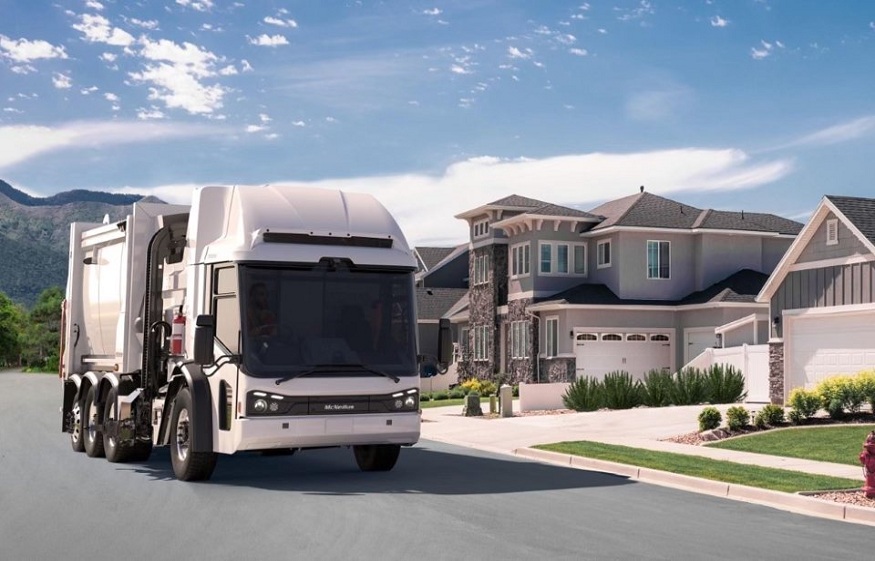
A rear loader garbage truck is one of the most widely used waste collection vehicles across the world. Municipal authorities, private waste management companies, and industrial facilities rely on rear loader trucks because of their durability, flexibility, and cost efficiency. If you are planning to purchase a rear loader garbage truck, understanding its working system, benefits, specifications, and buying considerations is essential. This complete buying guide explains everything you need to know before making a decision.
A rear loader garbage truck is designed with its loading mechanism located at the back of the vehicle. Waste collectors manually load garbage bags, bins, or bulky items into the rear hopper. Once loaded, a hydraulic compaction system pushes the waste into the main body of the truck, compressing it to maximize storage capacity. This simple yet effective design makes rear loaders suitable for a wide variety of waste collection environments.
One of the biggest advantages of rear loader garbage trucks is their versatility. Unlike automated systems that require standardized bins, rear loaders can collect mixed waste, oversized items, and loose materials. This makes them especially useful in residential areas, older neighborhoods, and regions where waste collection methods are not uniform. They are also commonly used for commercial waste pickup, including restaurants, markets, and small industries.
Cost efficiency is another important reason why rear loader garbage trucks remain popular. Compared to fully automated or side loader trucks, rear loaders generally have a lower initial purchase price. Their mechanical systems are simpler, which reduces maintenance costs and repair complexity. For small municipalities or private operators working with limited budgets, rear loader trucks offer a reliable and affordable solution without sacrificing performance.
When buying a rear loader garbage truck, compaction capacity should be a top consideration. Compaction ratio determines how much waste the truck can carry in a single trip. Higher compaction means fewer trips to landfills or transfer stations, saving fuel, labor time, and operational costs. Buyers should carefully review the manufacturer’s specifications to ensure the compaction force matches the type of waste being collected.
The size and capacity of the truck body also play a crucial role in purchasing decisions. Rear loader garbage trucks are available in various capacities, typically ranging from 15 cubic yards to more than 30 cubic yards. Smaller trucks are suitable for narrow streets and short routes, while larger trucks are ideal for high-volume urban or industrial waste collection. Selecting the right size helps balance efficiency with maneuverability.
Hydraulic system quality is another key factor that should never be overlooked. The hydraulic system controls the loading, compaction, and dumping operations. A strong and reliable hydraulic system ensures smooth operation, reduces breakdowns, and extends the truck’s service life. Buyers should look for trucks with high-quality hydraulic components, easy access for servicing, and strong manufacturer support.
Safety features are especially important in rear loader garbage trucks because they involve manual loading. Modern rear loaders often include rear-view cameras, warning alarms, emergency stop controls, and improved lighting systems. These features help reduce workplace accidents and protect both operators and pedestrians. Investing in a truck with proper safety equipment not only protects workers but also helps companies comply with safety regulations.
Fuel type is another major consideration when purchasing a rear loader garbage truck. Diesel-powered trucks are the most common due to their power and reliability. However, compressed natural gas (CNG) models are becoming more popular because of lower emissions and reduced fuel costs in some regions. Electric and hybrid rear loader trucks are also emerging, especially in cities with strict environmental regulations. Buyers should consider fuel availability, operating costs, and environmental policies before choosing a fuel type.
Maintenance and long-term operating costs should be evaluated carefully before making a purchase. Regular servicing, availability of spare parts, and access to trained technicians all affect the total cost of ownership. Trucks from well-known manufacturers usually offer better after-sales support and higher resale value. A well-maintained rear loader garbage truck can operate efficiently for many years, making it a long-term investment.
In conclusion, a rear loader garbage truck is a dependable and flexible solution for waste collection operations of all sizes. Its simple design, cost-effectiveness, and ability to handle diverse waste types make it a preferred choice worldwide. By considering factors such as capacity, compaction force, hydraulic quality, safety features, fuel type, and maintenance support, buyers can confidently select a rear loader garbage truck that meets their operational needs and budget.