
How to Choose the Best Pallet Rack for Your Warehouse Storage Needs
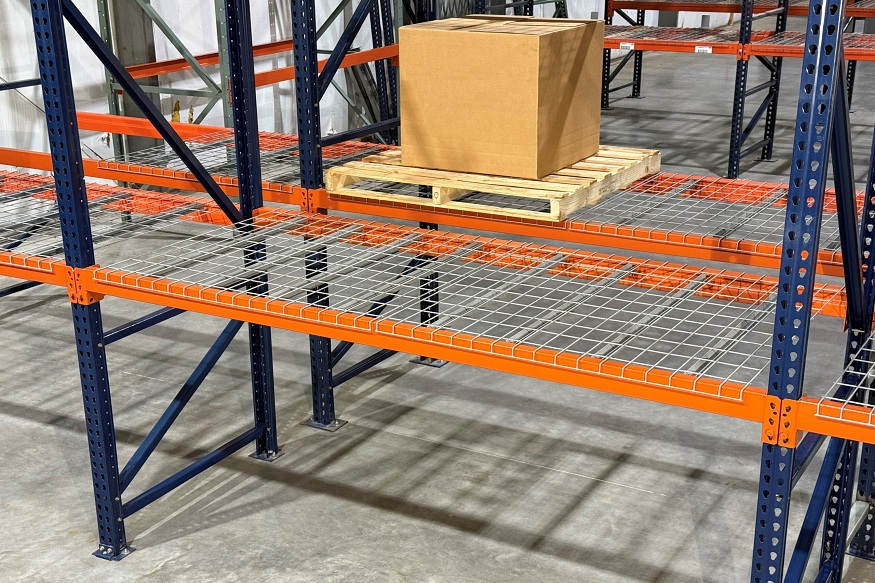
Selecting the ideal pallet rack system maximizes usable square footage, speeds up order fulfillment, and prevents expensive inventory damage. A well-planned racking layout transforms underutilized vertical air space into organized storage capacity while maintaining safe forklift access. Because every facility deals with different inventory volume, ceiling clearances, and turnover rates, picking the right rack requires matching your specific operational goals to the appropriate structural system.
Evaluating Inventory Density versus Accessibility Requirements
The fundamental trade-off in warehouse racking design exists between selectivity and storage density. Selectivity refers to how easily a forklift operator can access any given pallet without moving others out of the way. High-selectivity setups suit operations handling hundreds of unique stock keeping units with lower inventory quantities per item.
Read More: Government Policies and Renewable Energy Stocks
Density-focused systems squeeze the maximum number of pallets into a tight footprint by narrowing or eliminating aisle space. High-density designs work best for facilities storing large quantities of uniform, slow-moving product lines. Deciding where your facility falls on the spectrum between total selectivity and maximum floor density narrows down your equipment choices immediately.
Selecting the Right Pallet Rack Configuration
Matching racking mechanics to your inventory profile keeps warehouse floor operations moving smoothly without creating bottlenecks.
Selective pallet racking remains the most popular design across distribution facilities due to its versatility. Arranged in single or double-deep rows, selective frames offer direct access to every single pallet position. This configuration supports quick pick times, works with standard forklifts, and allows easy adjustment of beam heights as unit load sizes shift.
Drive-in and drive-through racking systems maximize storage density by letting forklifts enter the racking structure itself to stack pallets on continuous rails. Operating on a last-in, first-out model, drive-in systems suit bulk materials, non-perishable goods, and high-volume items with low SKU diversity. Drive-through setups allow entry from both sides, enabling first-in, first-out stock rotation.
Push-back racking uses nested cart channels set on a gentle incline to combine high density with good selectivity. When a forklift loads a new pallet, it pushes existing pallets toward the rear of the bay. When operators remove the front pallet, gravity slides the remaining pallets forward automatically, making it ideal for medium-turnover inventory.
Cantilever racking eliminates front upright columns entirely, utilizing heavy central columns and extended support arms to store long or irregularly shaped materials. Lumbar, steel tubing, pipes, and carpet rolls require unobstructed horizontal space that standard frame designs cannot accommodate.
Assessing Material Construction: Roll-Formed versus Structural Steel
Pallet racks are manufactured using two distinct steel processing methods, each offering distinct advantages based on work environment and impact risk. Roll-formed steel utilizes cold-rolled sheet metal shaped into teardrop column profiles, making it cost-effective, easy to adjust, and simple to assemble. Clip-in teardrop designs allow warehouse teams to move shelf beams quickly without specialized tools, making roll-formed systems ideal for retail distribution centers with changing inventory dimensions.
Structural steel racking utilizes hot-rolled structural C-channels bolted together for extreme load capacities and high-impact environments. Structural steel withstands frequent forklift bumps far better than lighter roll-formed options, making it the preferred standard for cold storage facilities, heavy manufacturing plants, and outdoor yard storage. Choosing structural steel reduces long-term maintenance costs in high-traffic operations where collision risks remain elevated.
Factoring in Safety Compliance and Local Seismic Codes
Warehouse safety involves far more than simply bolting frames to the concrete floor. Every racking installation must comply with regional building standards, seismic zone regulations, and fire safety codes. In areas prone to earth tremors, frames require larger baseplates, heavier anchor bolts, and additional diagonal bracing to absorb dynamic movement without collapsing.
Read More: How Answering Services Lock In Customer Retention
Sprinkler clearance represents another essential design factor that dictates top-beam heights. Fire codes typically require a clear clearance buffer between the top of stored inventory and sprinkler heads to ensure proper water coverage during an emergency. Adding rack accessories like wire mesh decking, column protectors, and frame row spacers protects both workers and inventory from accidental drop events.
Conclusion
Choosing the best pallet rack Los Angeles system requires balancing spatial efficiency, inventory access, structural durability, and floor safety requirements. By analyzing your product throughput rates, forklift fleet capabilities, and facility footprint, you can implement a storage system that streamlines workflow and protects your assets. Investing in the right racking infrastructure transforms your warehouse into an organized, scalable engine built for long-term operational success.